🇺🇸
en
Product Design
|
2025
Developing a system for
managing fleets of electric aircraft
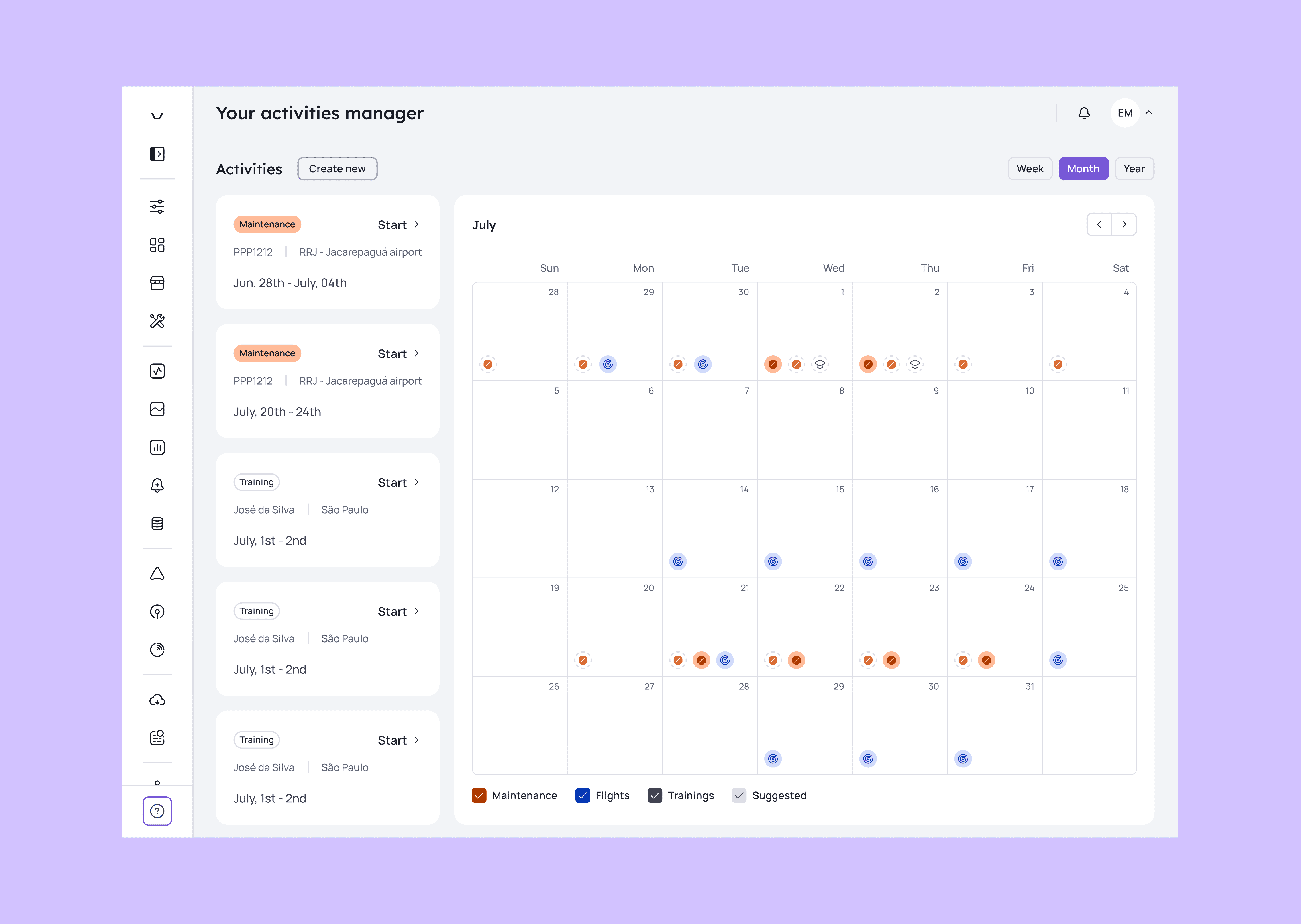
For nine months, I worked on expanding the digital division of a company that builds electric airplanes, contributing to the development of the integration and management system for the aircraft being marketed for the product launch.
The system was focused on managing the end customer's fleet, offering functionalities that supported strategic decision-making and promoted a smarter and more efficient operation.
UX/ UI
Product
Service
The process
The design process was carried out according to the context and the needs of the project.
Requirements gathering
01
Discovery with teams
for understanding
needs,
constraints and context.
Research
02
Benchmarking and desk research to deepen the problem and map references.
Visual exploration
03
Exploration of low and high fidelity solutions.
Validation and alignment
04
Critiques with the team for alignment and approval of the solution.
Final deliveries
A little about the flows and screens of the design projects I led.
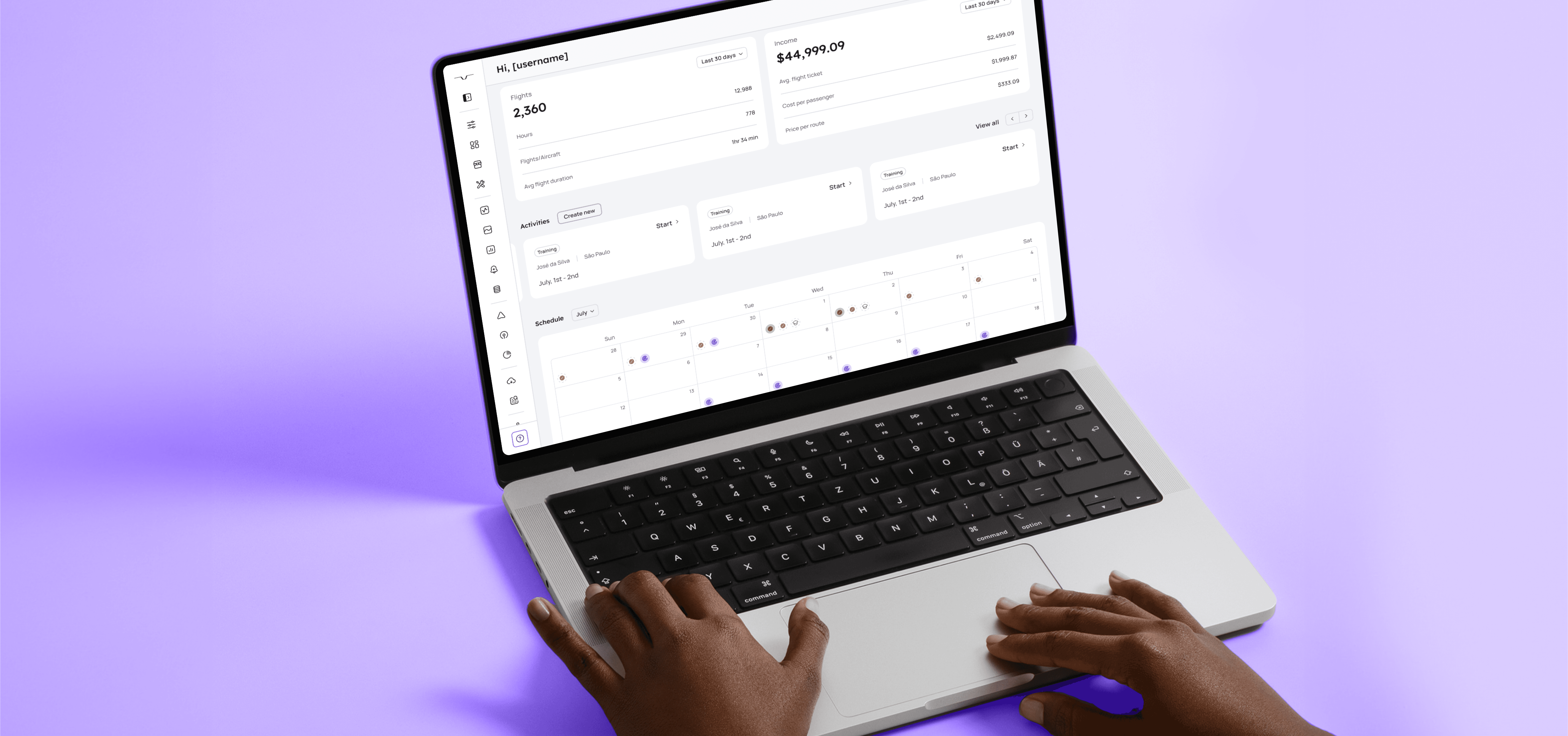
System home screen
I led the design of the interface that brought the heart of the platform’s operating system to life. The challenge was to turn complex data into an intuitive control tool for managers of electric aircraft fleets (eVTOL).
" width="652px"/></svg>)
Business case
Empower fleet managers to make quick, decisive decisions, minimizing cognitive effort during operations.
The process
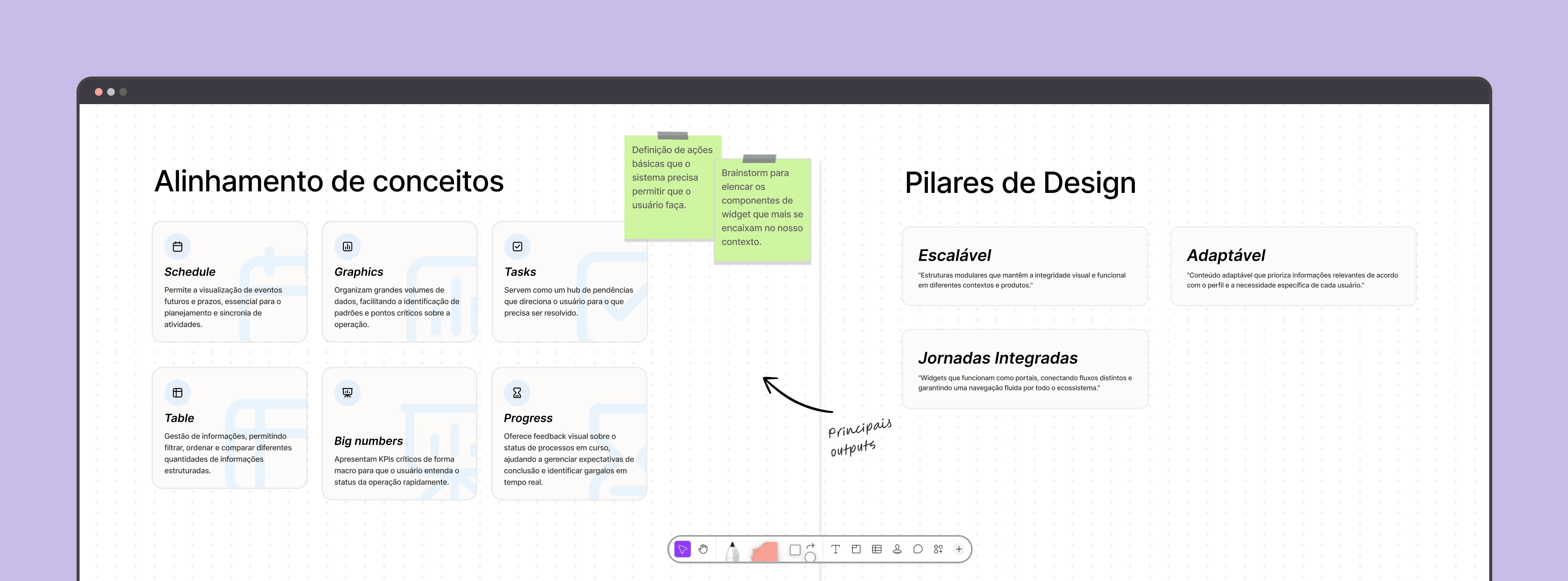
I started the project by facilitating a stakeholder alignment session to align expectations about the Home components. We needed to define what we called "widgets" and establish design guidelines.
Strategic definition
01
Define the concept of widget
Shortcuts that take the user directly to a detail screen, enabling "integrated" flows between different products in the ecosystem.
02
Design Guidelines
Scalability: The same component should be used by different products without layout changes.
Customization: Content adaptation according to the user's profile.
Integrated Journeys: Encouraging smooth navigation between system modules.
Solution Hypothesis
The solution was based on the premise that the home page should act as a task guide. Instead of merely displaying status, the system should anticipate and prioritize actions through data intelligence, reducing the manager's cognitive load.
The Final Result
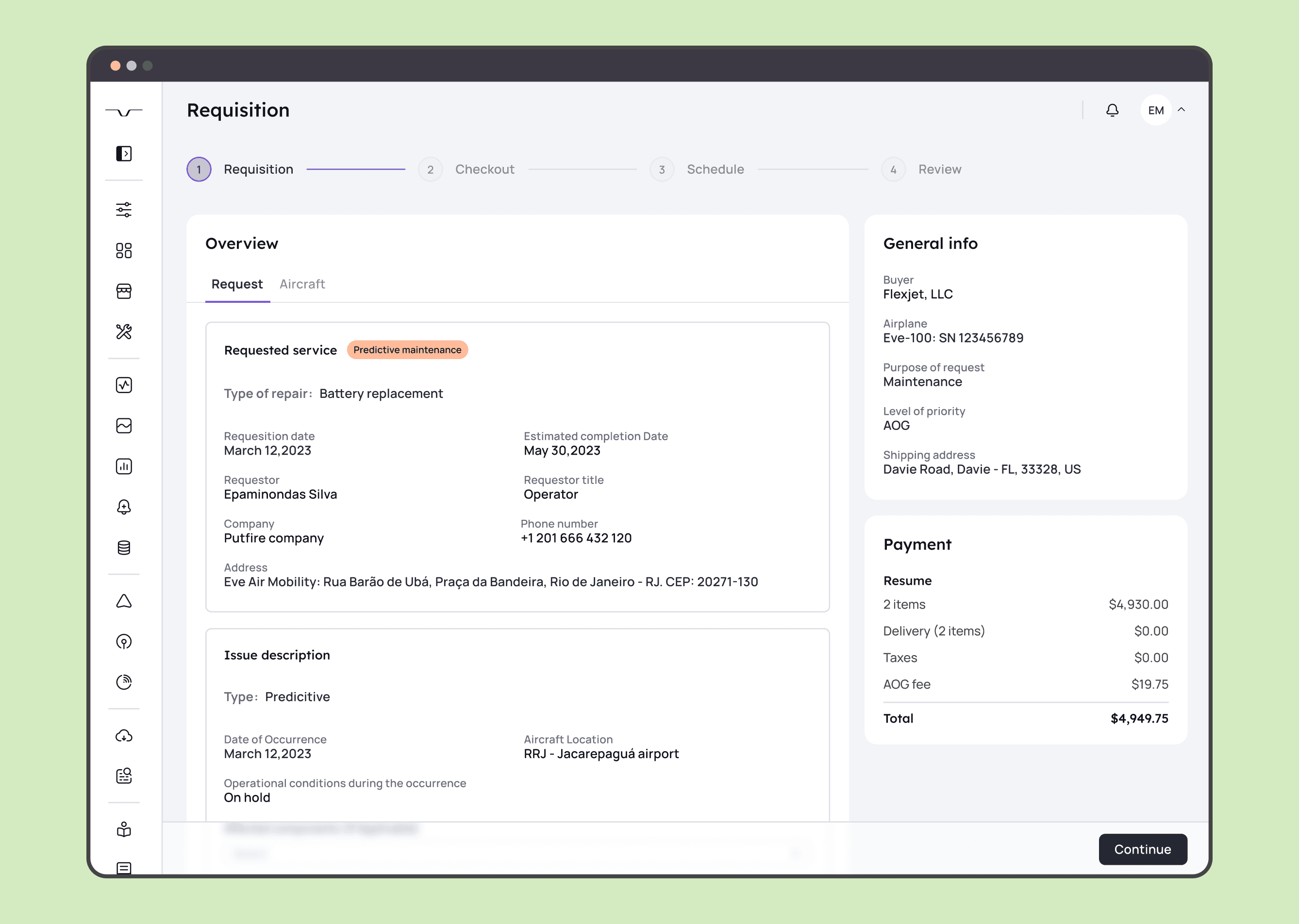
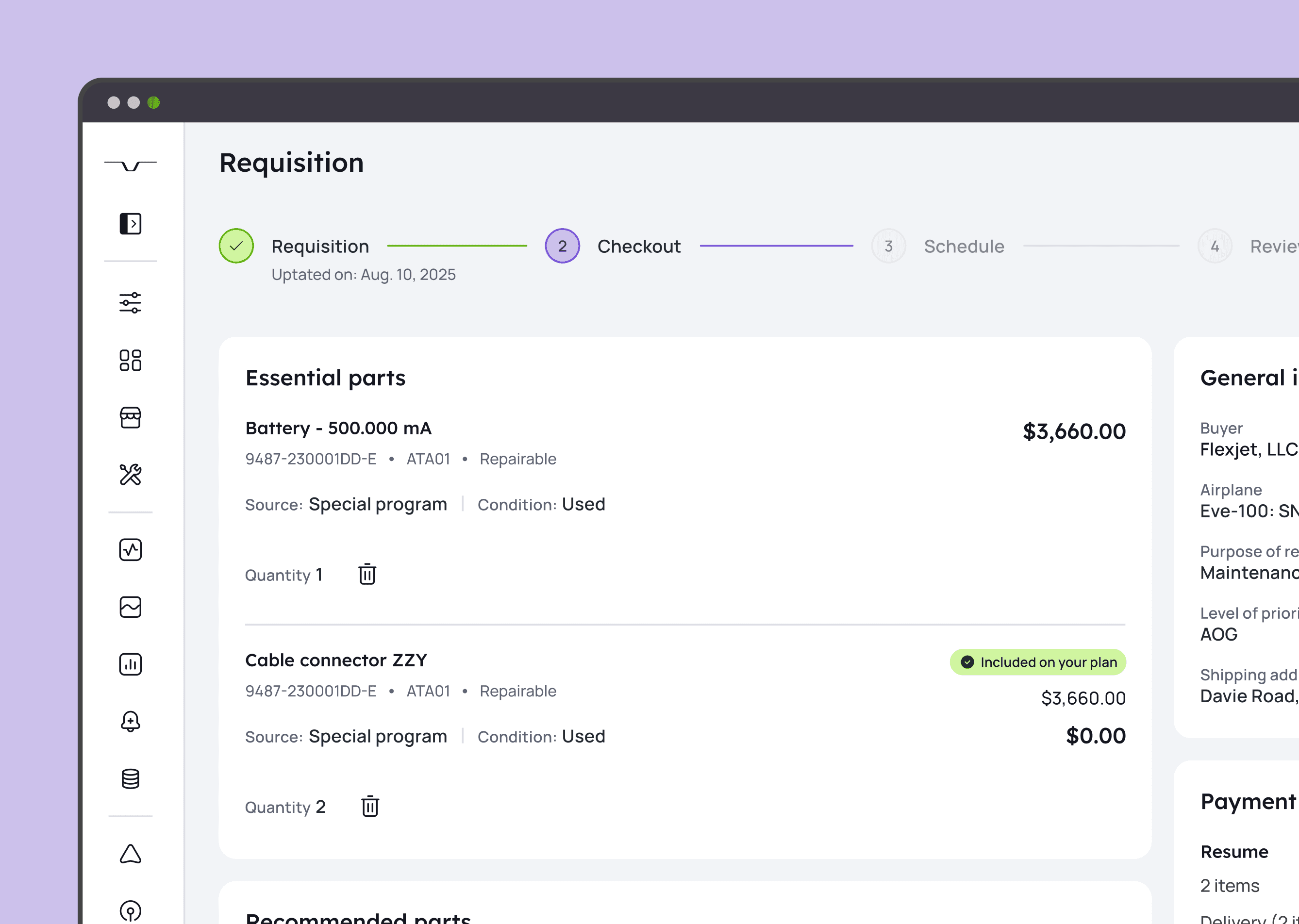
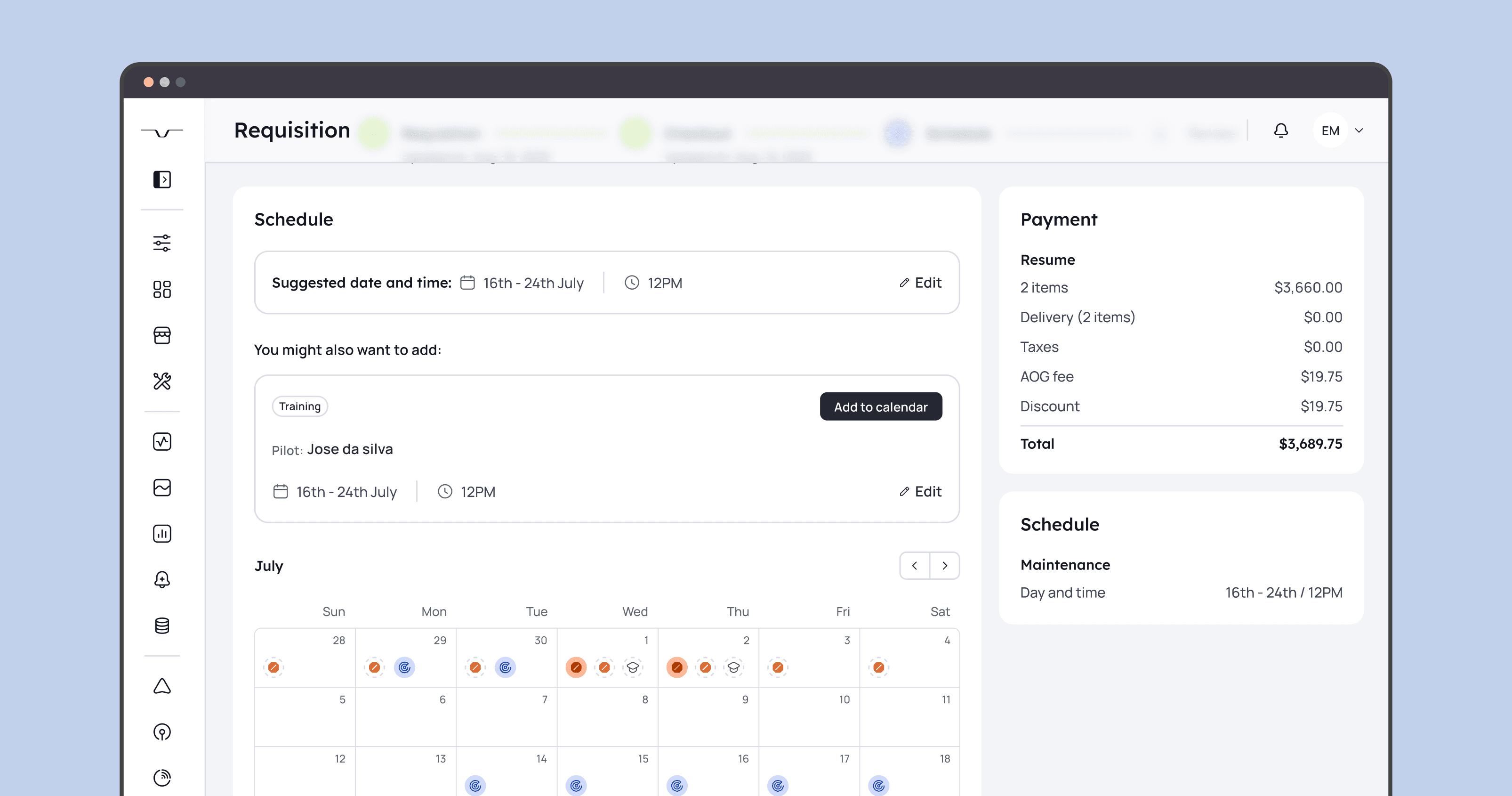
I structured the experience around the concept of "tasks", dividing the interface into four strategic sections:
Big Numbers: Critical KPIs for a macro view and support in decision-making.
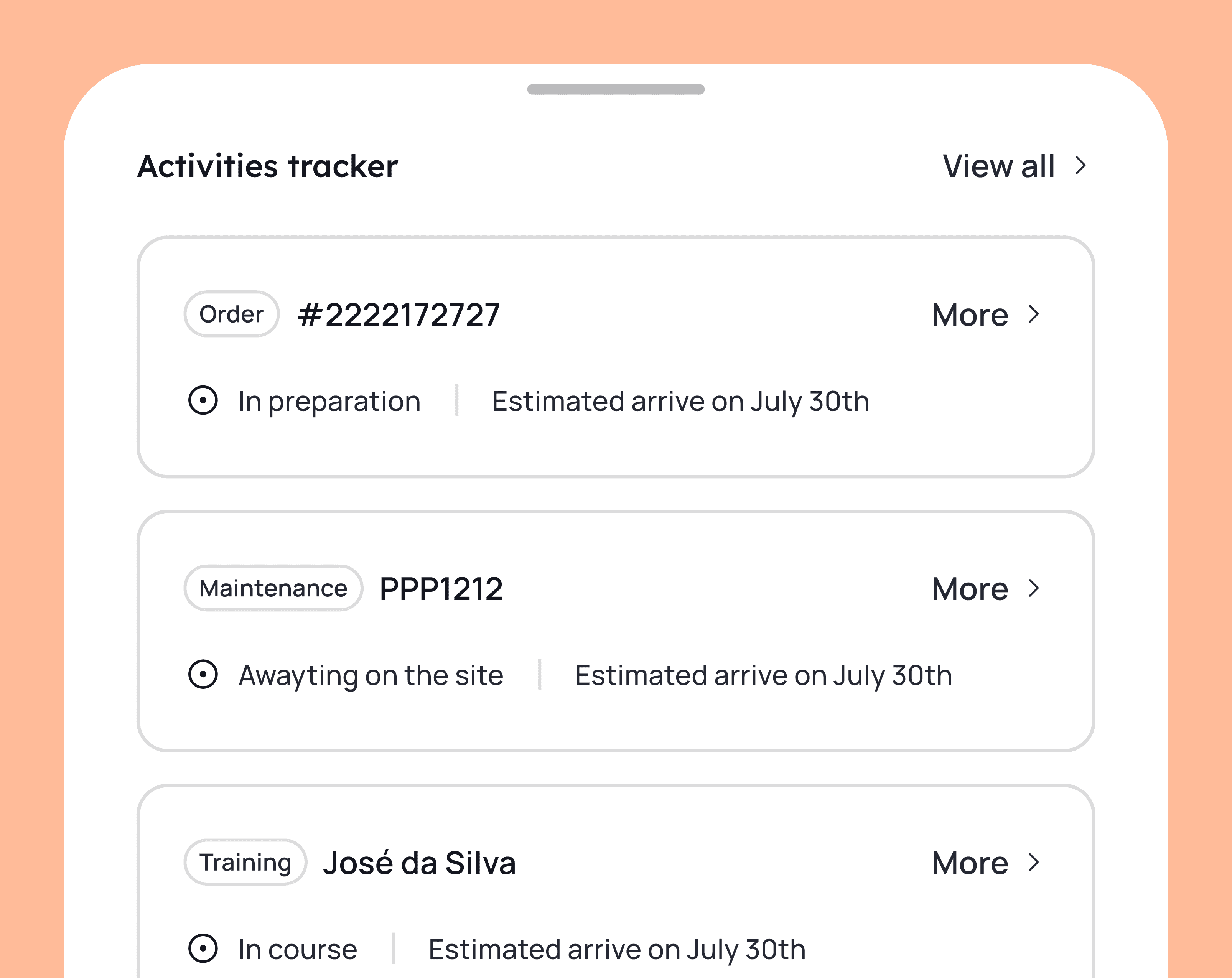
Activities: Carousel of events that the system suggests actions for, based on priority level.
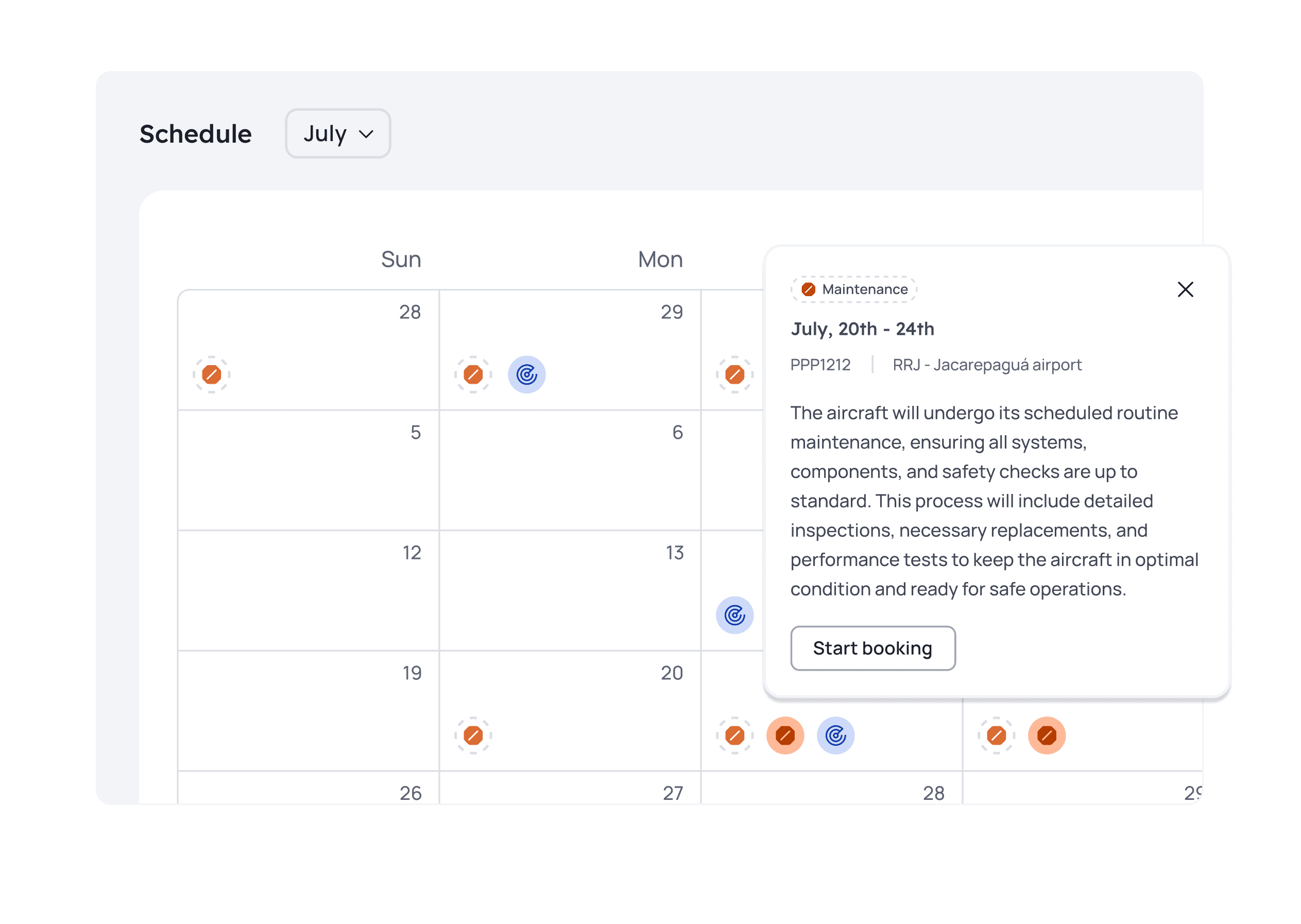
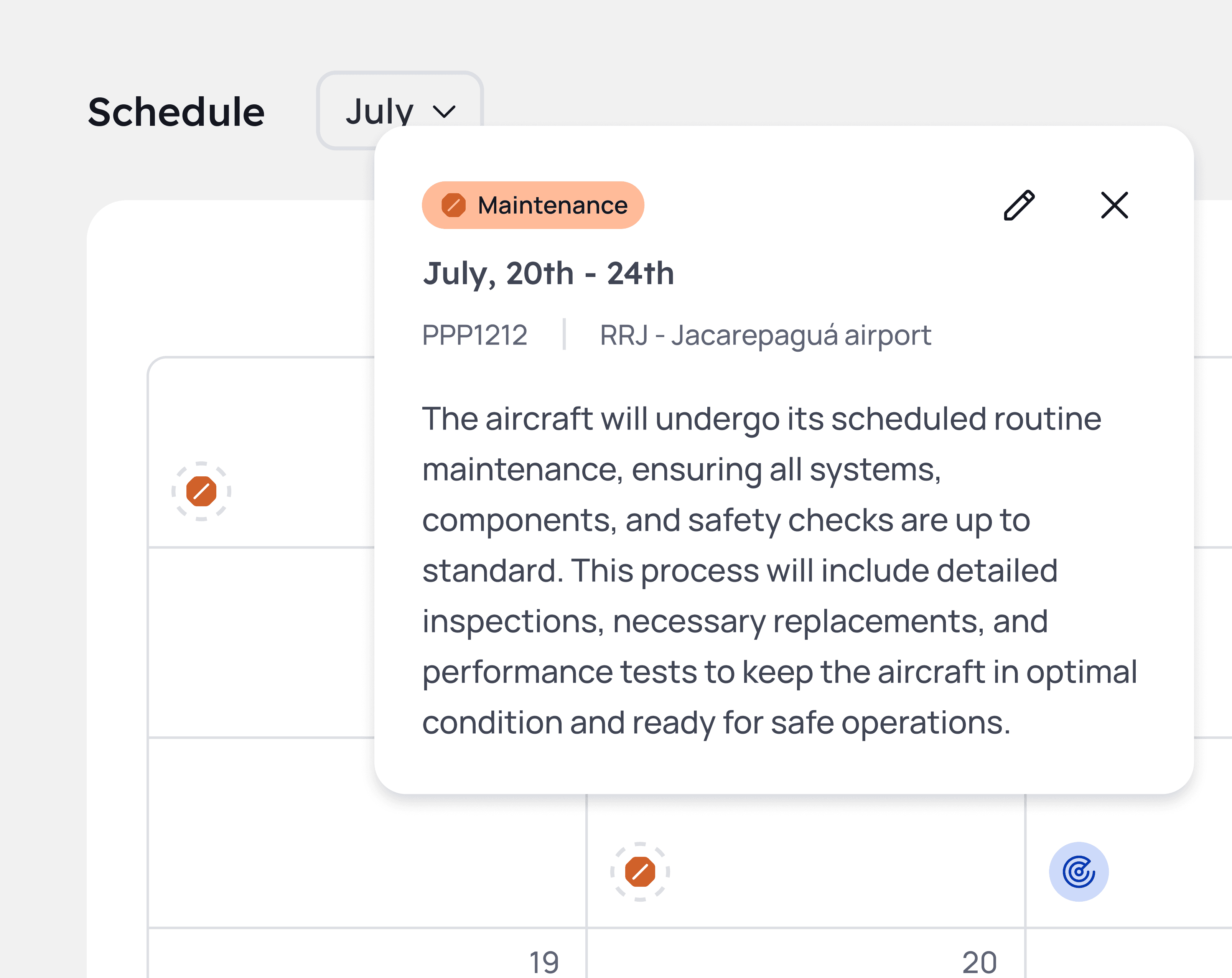
Agenda: Calendar showing all activities.
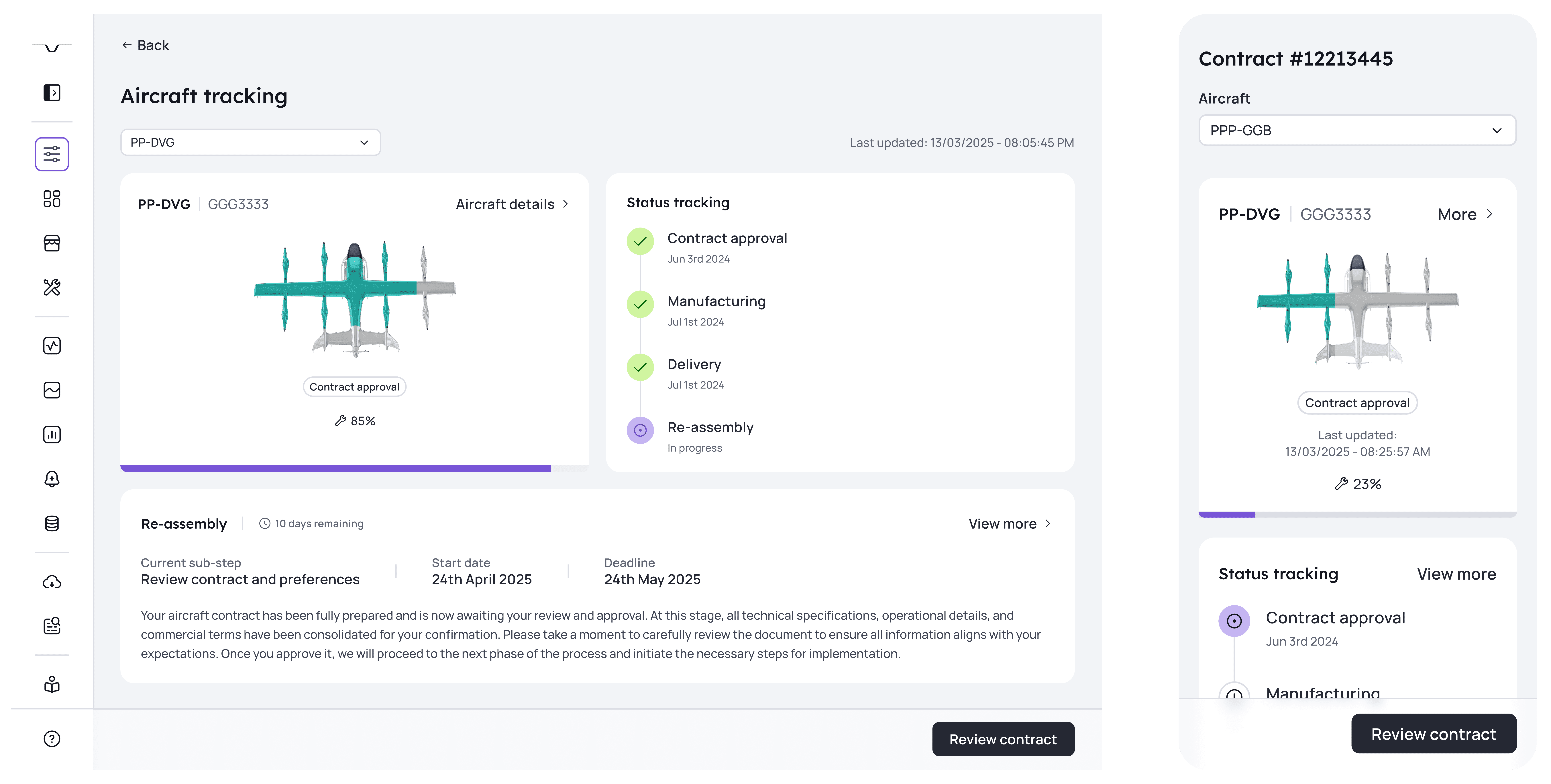
Tracking: Monitoring the progress of open workflows.
The tasks were categorized and visually differentiated by colors and priority icons, allowing the user to identify bottlenecks in seconds. The result is a platform that not only informs, but also guides the user to the most relevant action for the success of the operation.
The impact
Real impact on the business.
I played a key role in providing the necessary direction to proactively define the value proposition within the team.
Leadership in the process.
I proposed a methodology that made alignment between the teams easier and ensured a collaborative path.
Risk mitigation.
I eliminated communication breakdowns by standardizing terminology and stakeholder expectations, ensuring everyone was on the same page about components and features.
by moskdesign